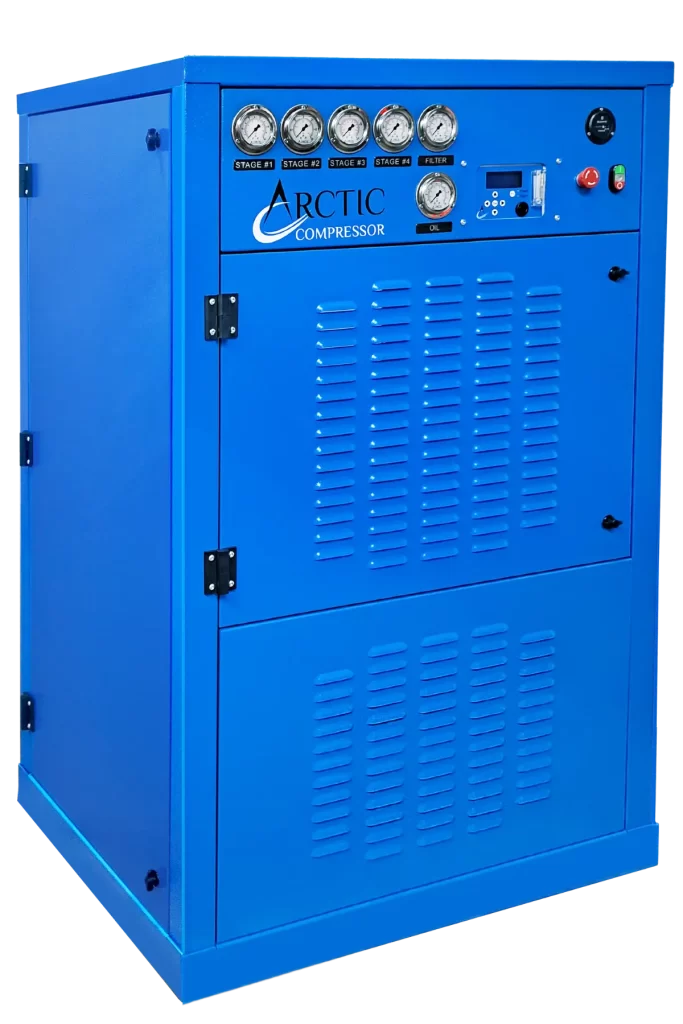
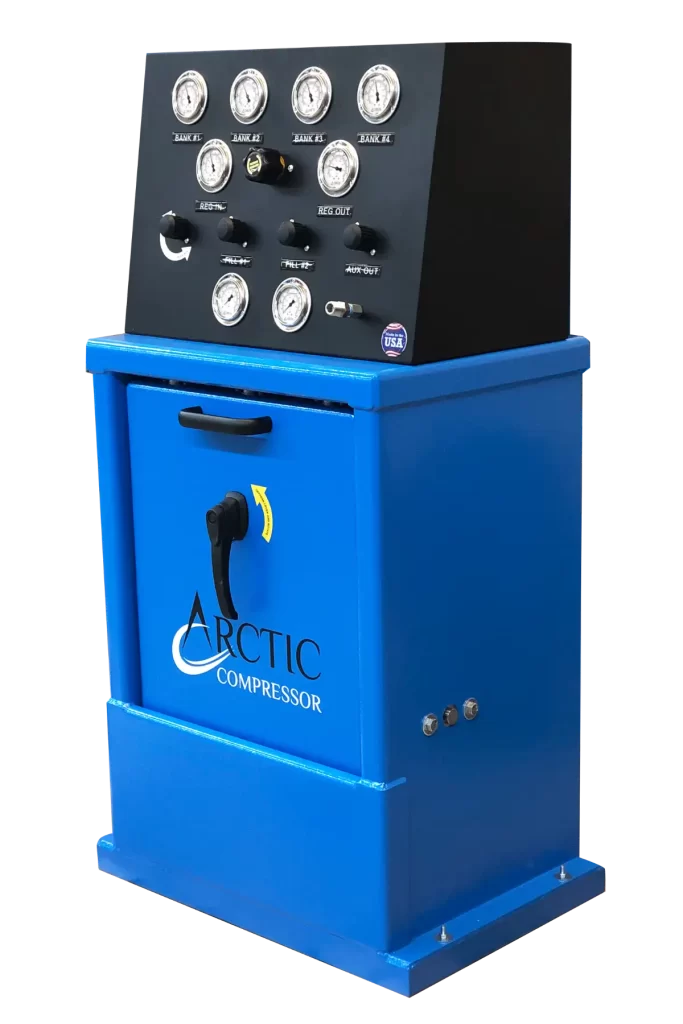
Whether you’re seeking SCBA grants, planning a large purchase of SCBA compressors or fill stations, or simply comparing options for funding, this resource is built to help.
From grants to leasing, we’ve outlined your best options for securing equipment, writing bid specs, and navigating the fire department procurement process with clarity.
Already have the funds needed? Head on over to our purchasing resources to clearly understand your next steps.
Popular Firefighting Equipment Eligible for Grant Funding
Many departments use federal and state grants to purchase:
- Breathing air compressors
- SCBA fill stations
- Cascade systems
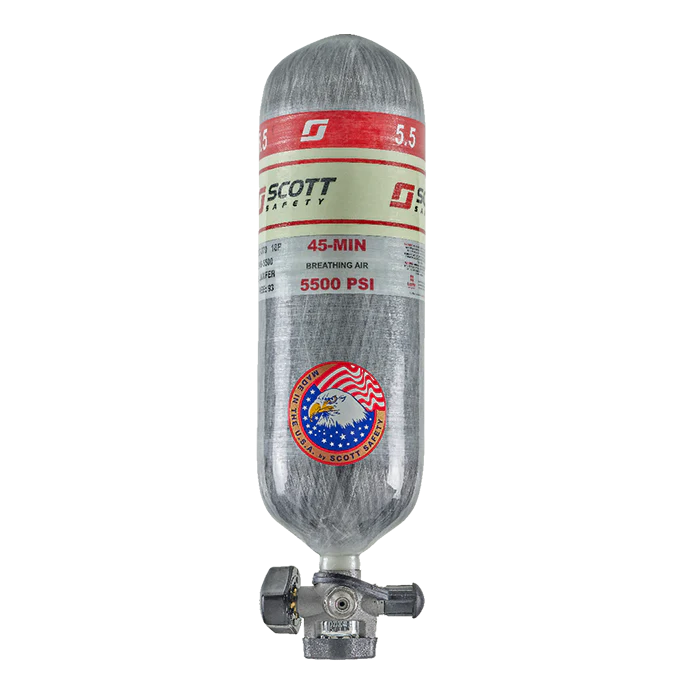
- SCBA cylinders
- PPE gear
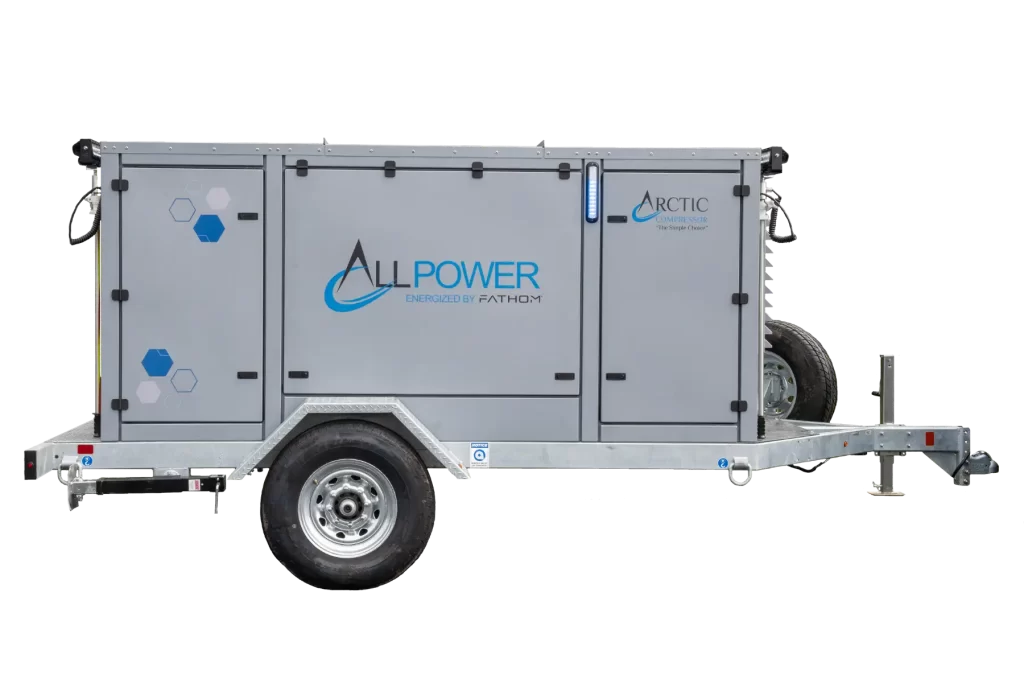
- Mobile air trailers
Even if you’re not currently sourcing a compressor, our team can help connect you to the right grant information for your department’s needs.
Grant Resources & Guides
Fire Department Procurement Process
If you’re preparing for a larger purchase and not familiar with the steps involved, it’s worth taking time to understand the key phases of this often detailed and time-consuming process.
Often called the procurement or purchasing process, it’s a multi-step journey involving budget planning, stakeholder alignment, and technical validation. There are typically 7 steps that are followed in most fire departments:
Defining Your Station’s Needs
Before you can write a bid spec or compare vendors, it’s essential to fully understand your department’s operational needs. If you’re in the market for a breathing air compressor or SCBA fill station, our SCBA Compressor Buyer’s Guide is a simple, downloadable checklist designed to help you:
- Assess daily and emergency air needs
- Consider NFPA 1989 and CGA compliance
- Compare mobile vs. stationary systems
Fire Department Funding Options for SCBA, Compressors, and Fill Stations
Municipal/Tax-Exempt Lease
Municipal Leasing, or Tax-Exempt Lease Purchasing (TELP), allow fire departments to acquire equipment without the bulk upfront costs.
Grants
Common grant-funded items include SCBA air compressors, fill stations, apparatus equipment, and SCBA cylinders. While not every program specifically mentions this equipment, many fall under broader categories like firefighter safety equipment, emergency preparedness, or air supply systems.
Federal Government
Funded by government agencies, federal grants support a wide range of fire service needs, often with specific, program-oriented requirements.
State/Local Government
Offered by state government entities, these grants focus on local needs and often prioritize public safety improvements.
Corporate/Foundation
Provided by companies or foundations at varying geographic levels, these programs are often open to varied funding, use purpose and support public safety equipment for the communities they serve or call home.
If you have knowledge of other grant opportunities that should be listed in this resource, contact us so we can grow this industry resource!
Cooperative Purchasing
Cooperative purchasing simplifies the purchasing process by letting fire departments “piggyback” on competitively bid contracts already vetted by trusted organizations. This saves time, reduces administrative burden, and often unlocks better pricing.
Writing a Bid Specification
A bid specification (often called a bid spec) is a detailed document that outlines the exact requirements, features, and standards a department or station wants in equipment they are looking to purchase.
We’ve done what we can to make the process as smooth as possible. Request your bid spec draft now!